Home › Supplements › Best protein powder 2026
Supplements · New October 2026Best protein powder 2026: protein-per-dollar, screened
- Oct 2026: Page published; scores are launch scores pending lab tests.
Our method, in one paragraph
Two questions decide a protein powder: how much protein does your dollar buy, and is the tub clean? So we rank on protein-per-dollar math (grams of protein per serving divided by price per serving, computed from October 2026 prices), third-party certification(NSF Certified for Sport and Informed Choice verify label accuracy and screen banned substances), and contamination screening: real published lab data from Consumer Reports (October 2025) and Labdoor (August 2026), attributed below. Per our standing methodology, supplements are ranked on lab data only: no community opinion, no borrowed scores, and a Labdoor cell stays “lab pending” unless the score is published on labdoor.com.
How we monetize: supplements are not monetised yet. No retailer links are live in this vertical, so nothing on this page earns us a commission, which changes nothing about the order above.
Not medical advice; talk to your doctor or pharmacist before starting any supplement.
The three, side by side
| Optimum Nutrition Gold Standard 100% Whey | Naked Whey | Garden of Life Sport Organic Plant-Based | |
|---|---|---|---|
| Launch score | We may earn a commission. It never decides rankings: Mullvad pays us $0 and still ranks. | We may earn a commission. It never decides rankings: Mullvad pays us $0 and still ranks. | We may earn a commission. It never decides rankings: Mullvad pays us $0 and still ranks. |
| Labdoor | Lab pending no labdoor.com review page found for this SKU | Lab pending no labdoor.com review page found for this SKU | Lab pending no labdoor.com review page found for this SKU |
| Certification | Informed Choice reported by BarBend's 2024 product review | Lab pending no third-party certification published | NSF Certified for Sport plus USDA Organic, Non-GMO Project Verified, Informed-Choice for Sport per retailers |
| Protein per dollar | 19.5 g/$ 24 g ÷ ~$89.99/73 servings | 20.0 g/$ 25 g ÷ $94.99/76 servings | 13.6 g/$ 30 g ÷ $41.99/19 servings |
| In the scoop | 24 g protein per serving | 25 g protein per serving | 30 g protein per serving |
Prices from brand/retailer pages and Amazon listings checked October 2026; they drift with promos · verify at checkout. “~” marks prices that vary by flavor. Scores are launch scores from verified certification claims, protein-per-dollar math, and published lab data, not our own lab tests.
Our verdicts, briefly
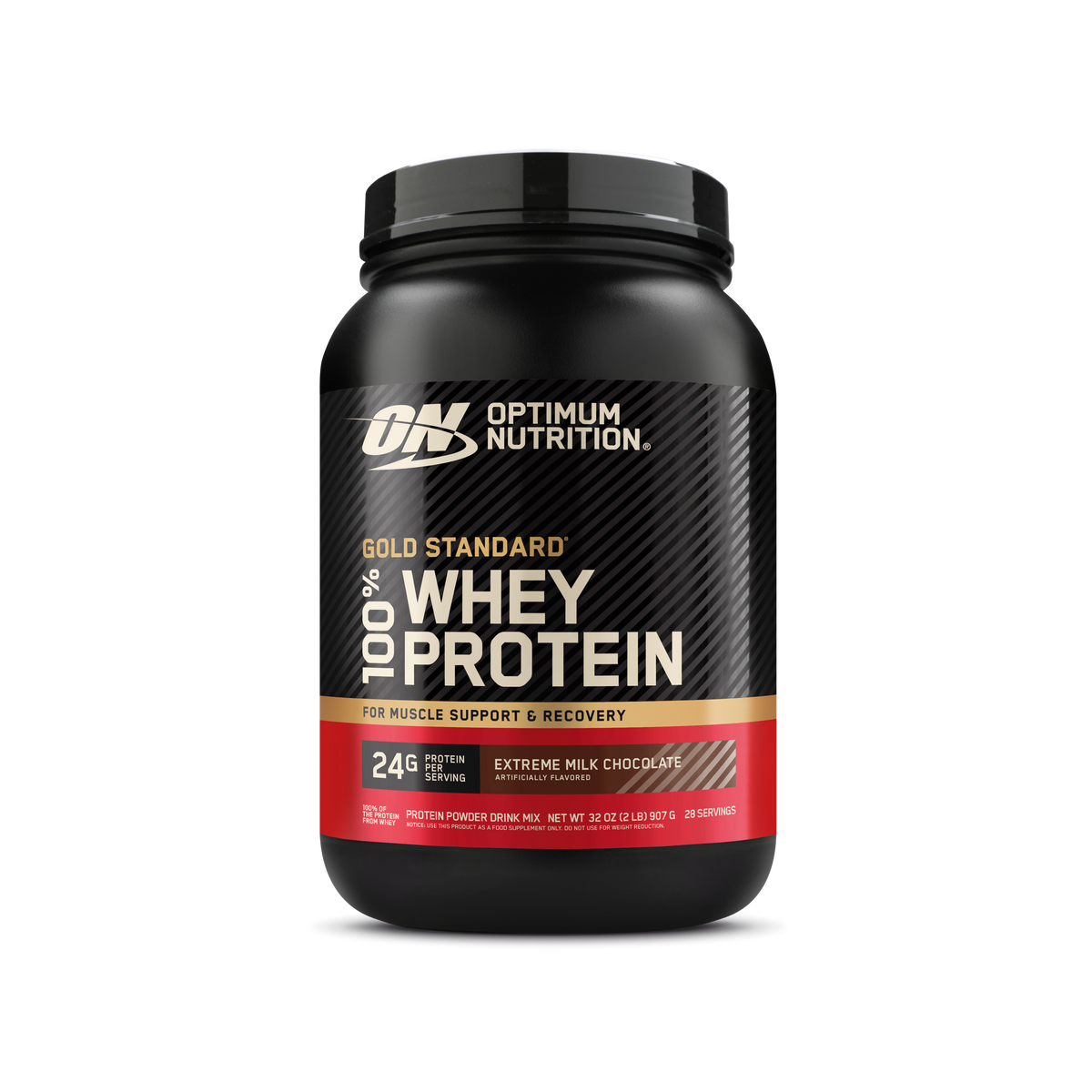
Optimum Nutrition Gold Standard 100% Whey · #1 · Value baseline
The category's benchmark tub: 24 g of whey protein isolate per serving, Informed Choice certification, and the second-best protein-per-dollar on the page. BarBend's commissioned lab testing graded the Vanilla Ice Cream flavor an overall A, in the top 10% of 150+ products for contaminants.
Pros
- Informed Choice certified; banned-substance tested
- 19.5 g/$: near-best value here
- 73 servings per 5 lb tub; 20+ flavors
Cons
- No labdoor.com-published score; lab pending
- Amazon price drifts $86–$99 by flavor; verify at checkout
Retailer links are not live yet for supplements; the rankings are published first.
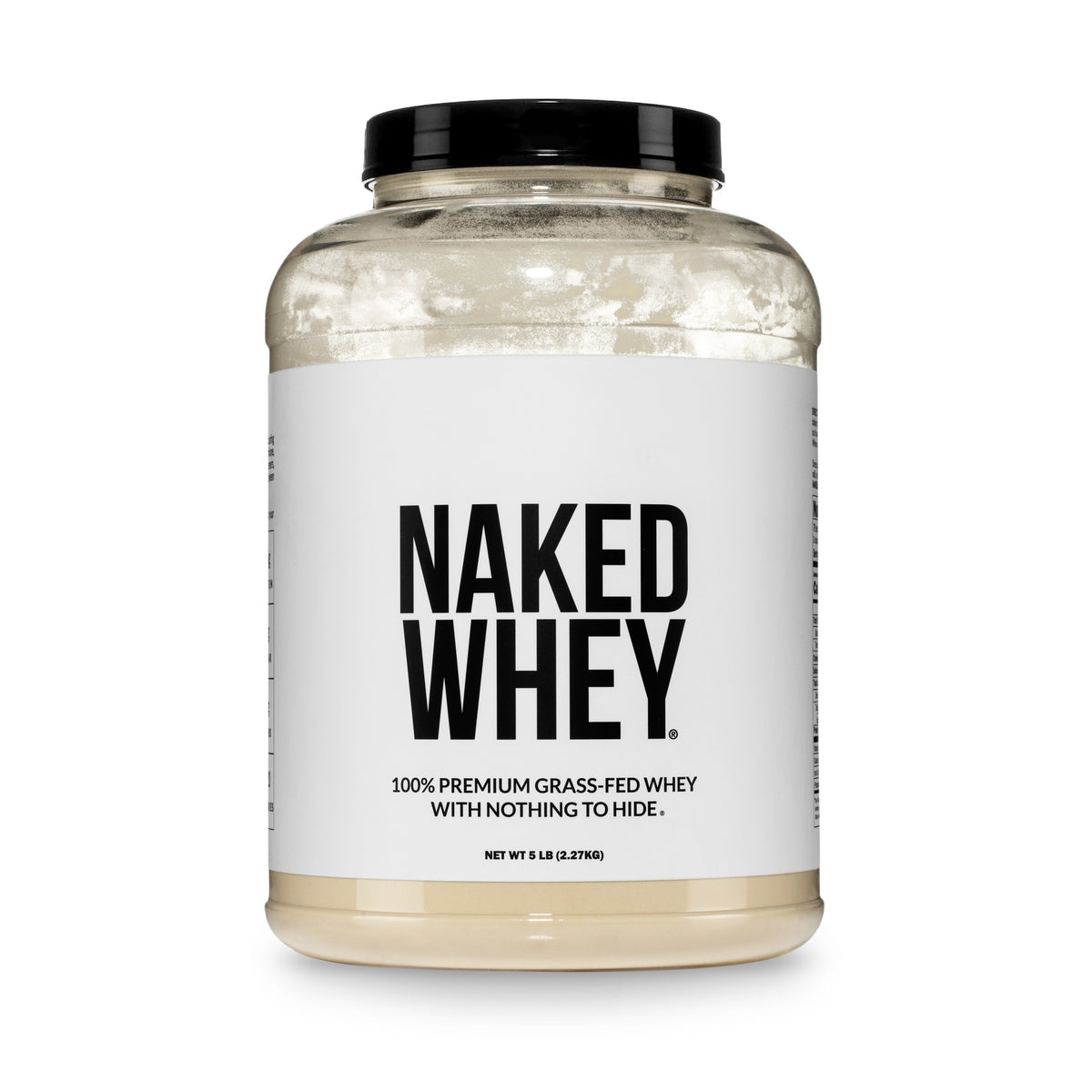
Naked Whey · #2 · Clean label value
The best protein-per-dollar on this page (20.0 g/$) with a single-ingredient label: grass-fed whey protein concentrate, nothing else. The honest knock is the missing certification (no NSF, no Informed), so the label is simple but unverified by a third party.
Pros
- 20.0 g/$: best protein-per-dollar in this ranking
- One ingredient (unflavored): grass-fed whey concentrate
- 76 servings per 5 lb bag
Cons
- No third-party certification published; lab pending
- Concentrate retains some lactose; isolate picks are leaner per scoop
Retailer links are not live yet for supplements; the rankings are published first.
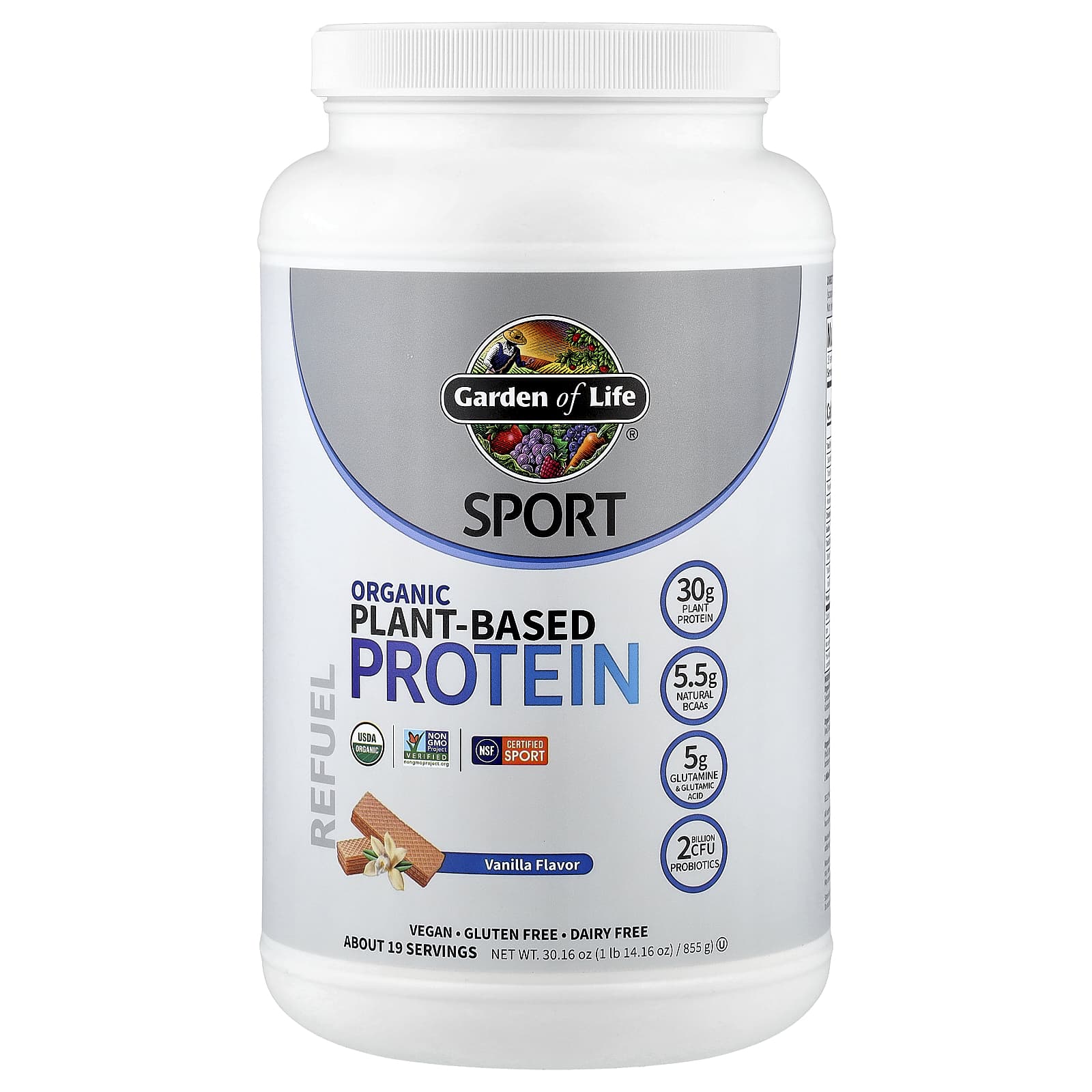
Garden of Life Sport Organic Plant-Based · #3 · Plant pick
The best-certified plant protein we found: NSF Certified for Sport on a USDA Organic pea-and-legume blend with 30 g protein per serving. Read the heavy-metal section before buying: plant powders test measurably higher for lead and cadmium than whey across every third-party dataset.
Pros
- NSF Certified for Sport + USDA Organic + Non-GMO Project Verified
- 30 g complete plant protein per serving; probiotics included
- Certified vegan, gluten-free, no added sugar
Cons
- Consumer Reports Oct 2025 measured 2.76 mcg lead and 1.93 mcg cadmium per serving, highest here
- $2.21/serving for only 19 servings
Retailer links are not live yet for supplements; the rankings are published first.
Whey vs plant: the label math
Strip away the marketing and the numbers separate these three:
- Protein per dollar: Naked Whey 20.0 g/$ · ON Gold Standard 19.5 g/$ · Garden of Life 13.6 g/$. Whey wins the value column decisively.
- Protein by weight: Garden of Life delivers 30 g but needs a 42 g two-scoop serving (71% protein by weight). A bigger protein number on the front of the tub can hide a bigger scoop inside it.
- Completeness: whey is a complete protein with a high leucine content per gram. Plant proteins need blending to cover the amino acid profile, Garden of Life does this with organic pea plus sprouted legumes and cranberry seed, and labels it complete.
Examine.com maintains a full graded evidence table for whey protein on its supplements page for readers who want the primary literature; our ranking uses only the countable parts: grams, dollars, and certifications.
These statements have not been evaluated by the Food and Drug Administration. This product is not intended to diagnose, treat, cure, or prevent any disease.
The heavy-metal question
Protein powders are agricultural products, and soil carries lead, cadmium, and arsenic, so contamination screening matters more here than in any other supplement category. The best published third-party dataset is Consumer Reports' October 2025 heavy-metals test of protein supplements (specific flavors tested; results vary by flavor and lot):
- Optimum Nutrition Gold Standard 100% Whey, Chocolate (30.5 g serving): lead 0.27 mcg, cadmium 0.24 mcg, arsenic 0.16 mcg, mercury not detected.
- Momentous Whey Protein Isolate, Vanilla (26.5 g serving): lead 0.15 mcg, arsenic 0.17 mcg; cadmium and mercury not detected. The cleanest whey reading in the dataset.
- Garden of Life Sport Organic Plant-Based, Vanilla (45 g serving): lead 2.76 mcg, cadmium 1.93 mcg, arsenic 1.33 mcg. The highest readings among our picks, consistent with the pattern that plant-based powders test higher than whey.
Context, not alarm, but read the benchmarks honestly. Consumer Reports' own bar is deliberately conservative: 0.5 mcg of lead per day (mirroring California's Prop 65 safe-harbor), under which Garden of Life's 2.76 mcg serving would sit over. The federal benchmark is higher: the FDA's interim reference levels are 8.8 mcg/day for women of childbearing age and 12.5 mcg/day recommended for adults generally, and every one of our picks' readings sat below those. The spread is still real: roughly 18× more lead in the plant pick than in the cleanest whey. We don't overclaim: one test round on one flavor is a snapshot, not a verdict on a brand. The durable defense is third-party certification, which is why certified picks outrank uncertified ones with better value math.
Sources: Consumer Reports heavy-metals test results, October 2025; FDA interim reference levels for lead via ConsumerLab (Flannery, Regul Toxicol Pharmacol 2022; Dolan 2020).
How this page was made: the sources behind it, and what we have not done
- Third-party laboratory data: published results from independent laboratories (including Labdoor and ConsumerLab where cited), cited per product. We did not run these tests and we do not repackage their results as our own.
- Merchant pricing: checked at the retailer named on each card in October 2026. Prices are snapshots from that check, not live quotes; the checkout price is final.
- Independence: the ranking on this page was locked from the evidence above before any affiliate programme was looked up. Commissions never move rankings. Full rule: /about
- Not done on this page: any laboratory testing by RankedTrue, and any use of community opinion. Scores rest on the cited independent laboratory data and the documentary audit only.
Our editorial principles: evidence before opinion, check dates on every price, and no pay for placement, ever. Read them in full: /about · /how-we-test · /corrections
Questions, answered
Is protein powder safe?
Should I worry about heavy metals in protein powder?
Whey or plant: which should I buy?
What is amino spiking, and should I worry about it?
Why do all three picks show 'Lab pending' for Labdoor?
Do you earn a commission on these protein links?
Get pinged when a protein price actually drops
We re-check supplement prices monthly. One email when a pick above drops meaningfully below its listed price. No spam, no fake urgency.